








Ebikes
Understanding IP Ratings: How Water-Resistant Is Your E-Bike Really?
04
Dec
Dec
Ever wondered if your e-bike can handle a surprise rainstorm? Your e-bike’s specifications show IP ratings that could make all the difference between a dependable ride and expensive electrical damage.
Your e-bike comes with water resistance, not complete waterproofing. This key difference determines how well your bike handles various weather conditions. Product packaging displays waterproof IP ratings that follow a two-digit system to show protection levels. Protection against solid objects and dust gets rated from 0-6 in the first digit, while liquid and moisture resistance ranges from 0-8 in the second digit. Most e-bikes meet the IP54 standard, which lets them handle rain and splashes while maintaining performance.
The critical parts of your e-bike—such as the motor and battery—typically come with IP ratings like IP65 or IP67. These ratings indicate how well the components can handle water exposure. For example, an
IPX6 rating means your e-bike can withstand strong water jets and remain protected even during heavy rainfall. This level of protection is more than enough for most riders and ensures reliable performance in wet conditions.
Let’s take a closer look at how IP ratings apply during everyday rides and review how each component resists moisture. By understanding these ratings, you’ll know how to choose the right e-bike for rainy environments and better appreciate your own e-bike’s true level of water resistance—and what that means each time you head out.
Understanding Waterproof IP Ratings for E-Bikes
The IP rating system, defined by the IEC 60529 standard, measures how well your e-bike’s electrical components withstand dust and water intrusion. This classification system, established over
25 years ago by the International Electrotechnical Commission, remains the global benchmark for identifying protection levels against solid particles and moisture.
IP Waterproof Ratings Explained: First vs Second Digit
Your e-bike’s electronics come with a protection passport in the form of a two-digit IP code. Protection against solid particles gets a rating from 0-6 as the first digit. This tells you how dustproof your components are. A rating of “5” means dust-protected components might let in some dust but not enough to cause problems. The highest rating “6” means complete dust-tight protection.
Liquid protection gets measured by the second digit, which ranges from 0-9. The scale starts at no protection (0) and goes up to resistance against high-pressure, high-temperature water jets (9). Your device can handle water splashes from any direction with a rating of “4”. A rating of “7” means it survives underwater up to 1 meter for 30 minutes.
Common IP Ratings Found in E-Bike Components
Quality e-bikes typically use . These ratings translate to real-life riding conditions:components rated between IP54 and IP67
- IP54: This measures most e-bikes’ standard protection against dust and water splashing
- IP65: Components with this rating are dust-tight and handle low-pressure water jets – perfect for rainy rides
- IP67: Premium components feature this dust-tight and immersion-resistant rating up to 1 meter
Why IP Ratings Are Tested Per Component, Not Whole Bike
Each e-bike component needs its own IP rating because protection levels vary across parts. Different parts face unique exposure levels during rides. Motors typically get an IP65 rating to handle splashes. Batteries need better protection and often come with IP67 ratings. Display units usually range between IPX4 and IPX6.
The “X” in ratings like IPX7 shows that a component hasn’t gone through formal testing for that protection type. This doesn’t mean poor protection. SRAM’s Eagle AXS electronic shifting uses an IPX7 rating but works as a completely waterproof and dust-proof system despite the “X”.
How IP Ratings Affect Real-World Riding
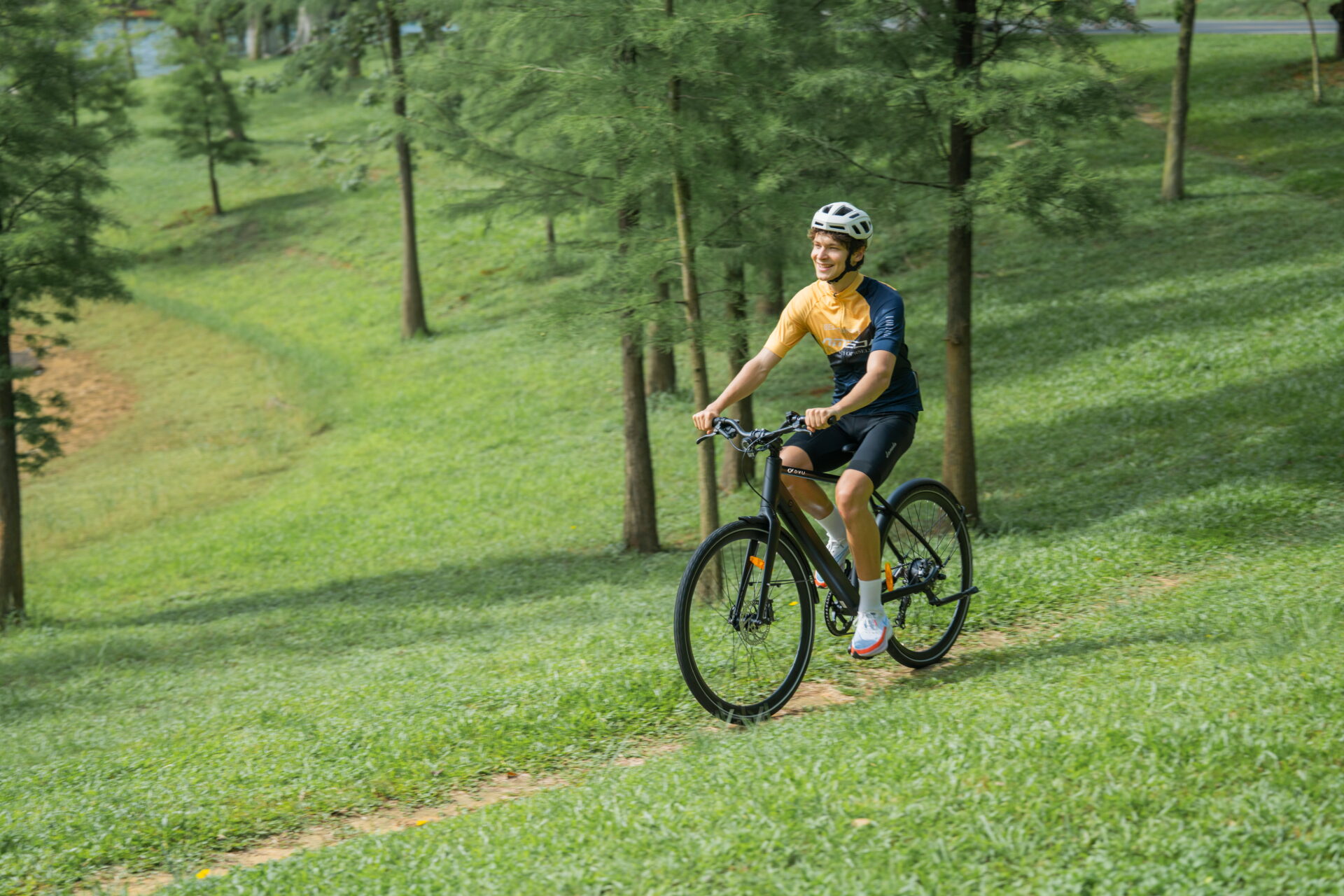
Your e-bike’s IP ratings tell you exactly what kind of weather it can handle safely. These numbers show how well protected your bike is during your daily rides.
Light Rain, Puddles, and Splash Resistance
Modern e-bikes generally handle light to moderate rainfall well thanks to their water-resistant components. Models rated IPX4 work reliably in light drizzle and on wet roads, with low risk to critical parts because the electrical system is sealed to prevent occasional moisture from getting inside.
For stronger rain, e-bikes with IPX5 or IP65 ratings provide even better protection. These models can withstand water directed at the bike from any angle, making them suitable for steady rainfall and everyday wet-weather commuting. Your motor’s weather-resistant housing shields it from rain and splashes, though it’s still important to note that seals may wear down over time if exposed to moisture for long periods.
What Happens in Heavy Downpours or Flooded Roads
Heavy rain can damage your e-bike, even with high IP ratings. You should never ride through water that covers your motor or battery. Here’s a crucial rule: stay away from puddles because you can’t tell how deep they are.
Even “waterproof” e-bikes shouldn’t be out in heavy rain since too much water can get past the seals. Water in the battery compartment can cause short circuits, hurt performance, or damage your bike permanently. Water in motor ports or battery terminals leads to electrical failures that get pricey to fix.
If your e-bike goes underwater, turn it off right away. Don’t turn it back on until it’s completely dry, or you might short out the components.
Post-Ride Drying and Inspection Checklist
What you do right after riding in the rain affects how long your e-bike will last. Here’s what you need to do:
- Dry your e-bike with a soft cloth, especially around battery connections, display, controls, and motor housing
- Clean and re-oil the chain since rain removes lubricant and leaves grit behind
- Take out the battery if you can, wipe it down, and clean all electrical contact points
- Keep your bike inside or under cover until it’s completely dry
- Look for any water damage or rust on connections and wiring
Make sure everything is completely dry before you plug in your e-bike for charging.
Component-Level Water Resistance Breakdown
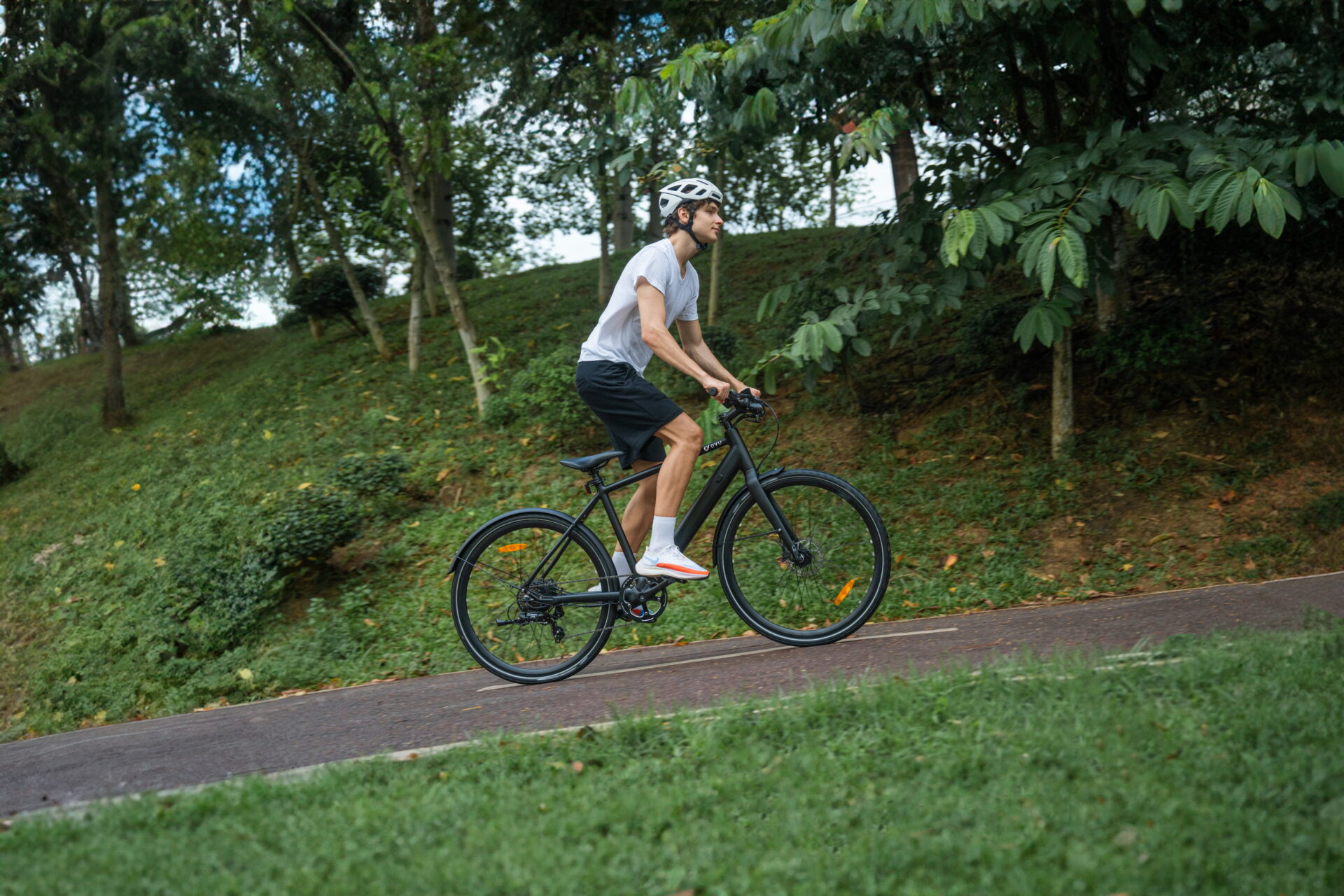
Your e-bike’s water resistance depends on how well each component handles moisture. Let’s look at the vulnerable points that need special attention beyond the basic IP rating.
Battery Housing: IPX7 vs IP65
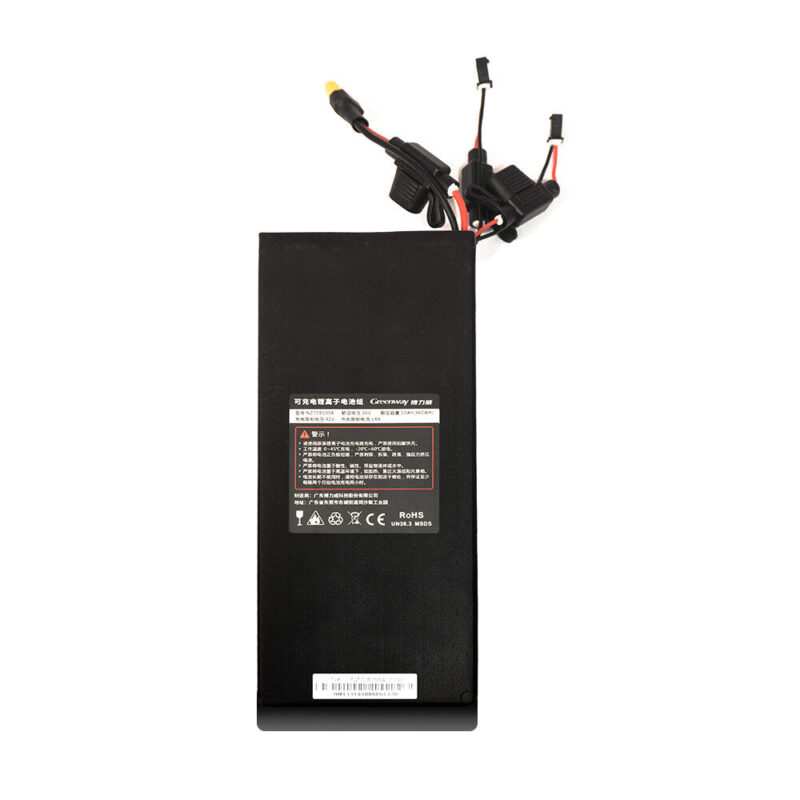
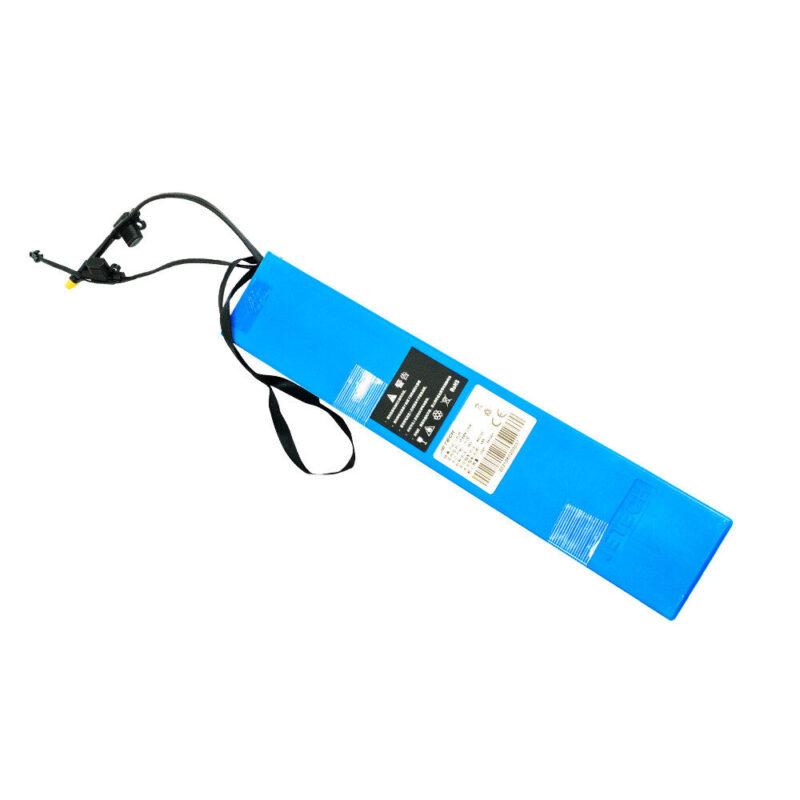
The battery housing is one of your e-bike’s most valuable and vulnerable components, so protecting it from water is essential. An IPX7-rated battery can stay submerged in up to 1 meter of water for 30 minutes, offering far stronger protection than an IP65 rating, which only guards against water jets. Despite these protections, water can still enter through seams, worn or damaged seals, or exposed charging ports—each posing serious risks. The biggest concern is cell short circuits, which can permanently damage the battery, corrode electrical contacts, or even trigger a dangerous chemical fire known as thermal runaway.
Motor Sealing and Cable Entry Points
Your motor’s water resistance depends on several key areas. Cable entry points are the weakest spots where moisture sneaks in. In fact, most e-bike motors use a clamshell design with two halves held together by gaskets. This creates potential weak spots. Motors usually come with IP65 or IP67 ratings, but water can still get through axle openings and connection points. You can protect your motor by using marine-grade dielectric grease on electrical connections and checking rubber seals every three months.
Display and Controller Moisture Protection
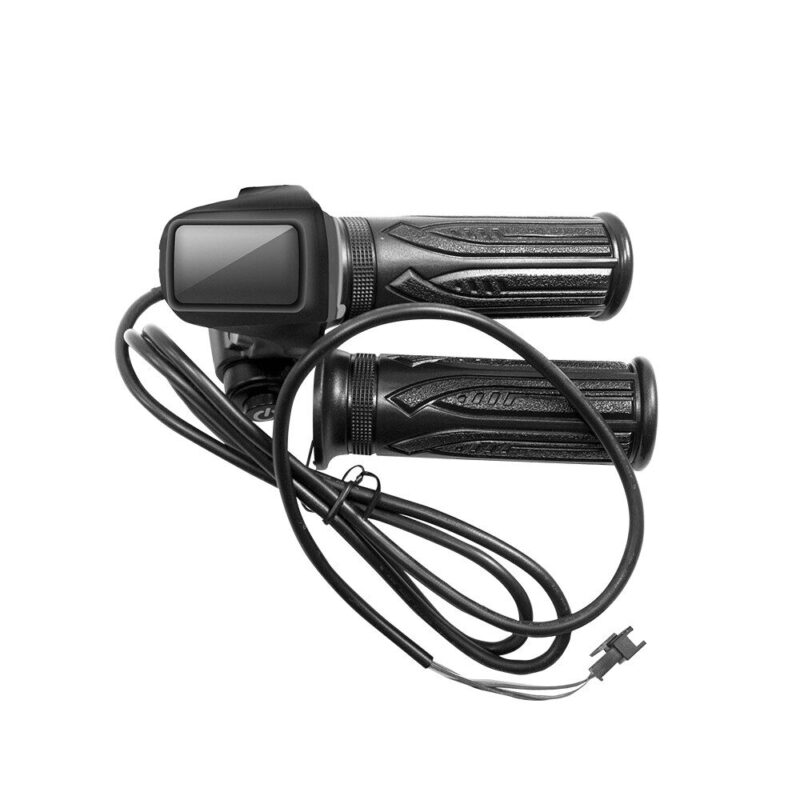
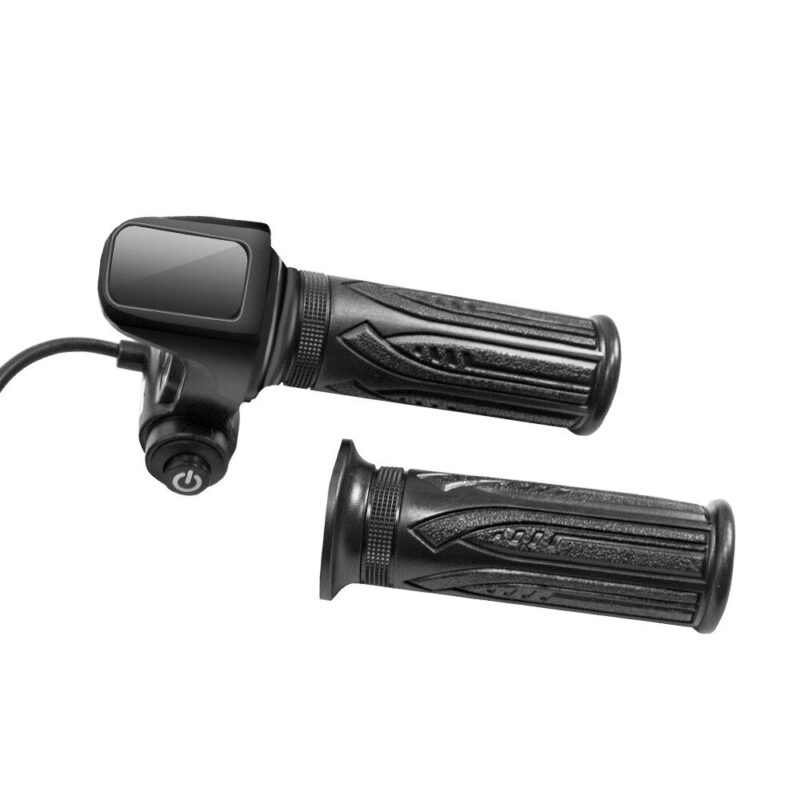
The display and controller usually have lower IP ratings (IP54-IP65) than other parts. These brain components sit in exposed spots on your bike, which makes them easy targets for water damage. When moisture gets inside, you might see fogging, button failures, or weird behavior. You can prevent damage by using waterproof covers, adding dielectric grease to connections, and making drip loops in cables. Some brands sell clear plastic display covers that protect your screen while keeping touch functions working.
Choosing the Right E-Bike for Wet Conditions
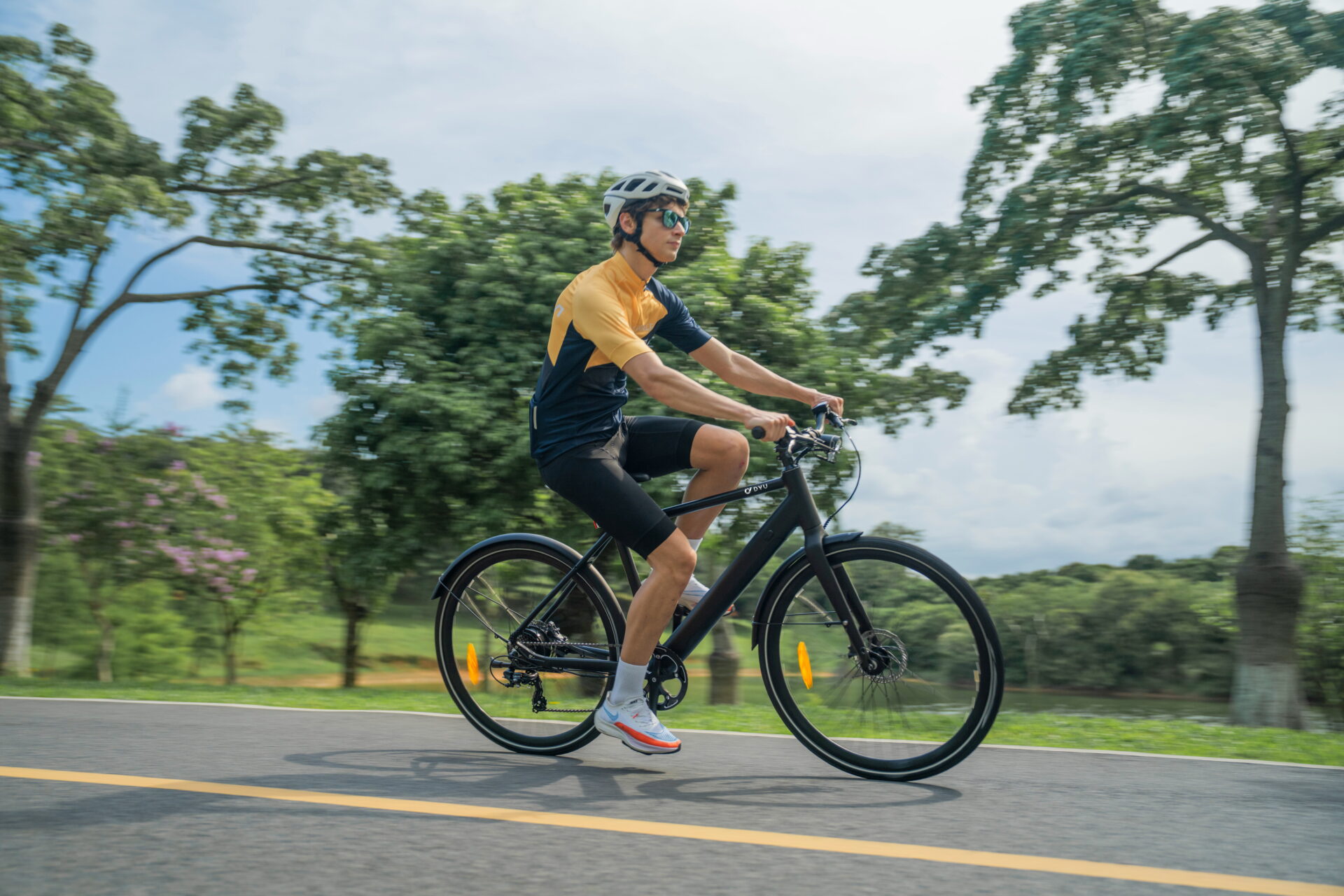
Your e-bike needs the right IP protection to perform reliably whatever the weather. A good understanding beyond simple ratings will help you make a better purchase decision.
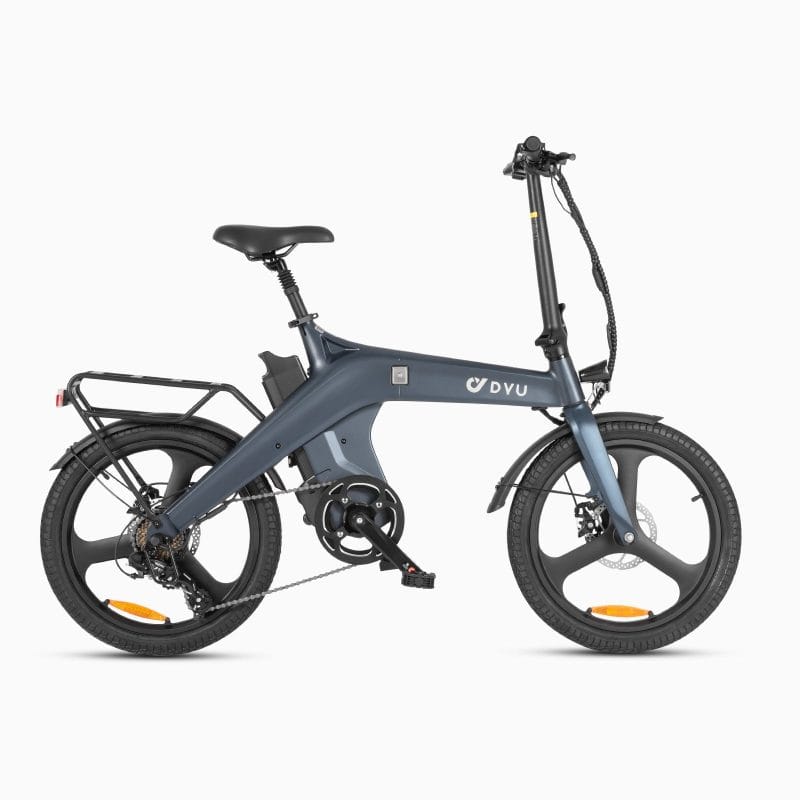
DYU Stroll 1: IPX6 Frame and IPX7 Battery Overview
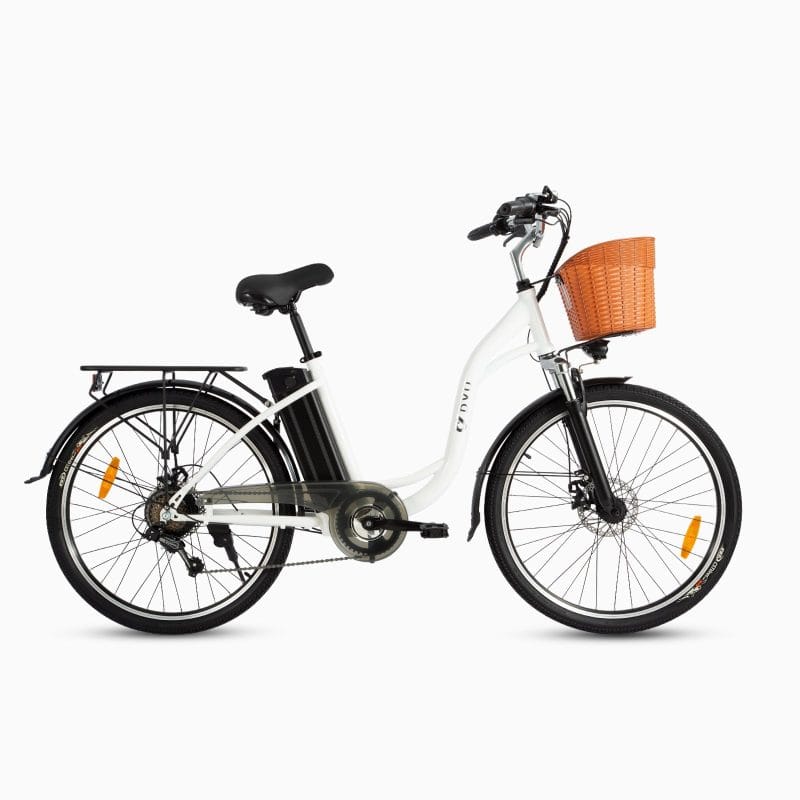
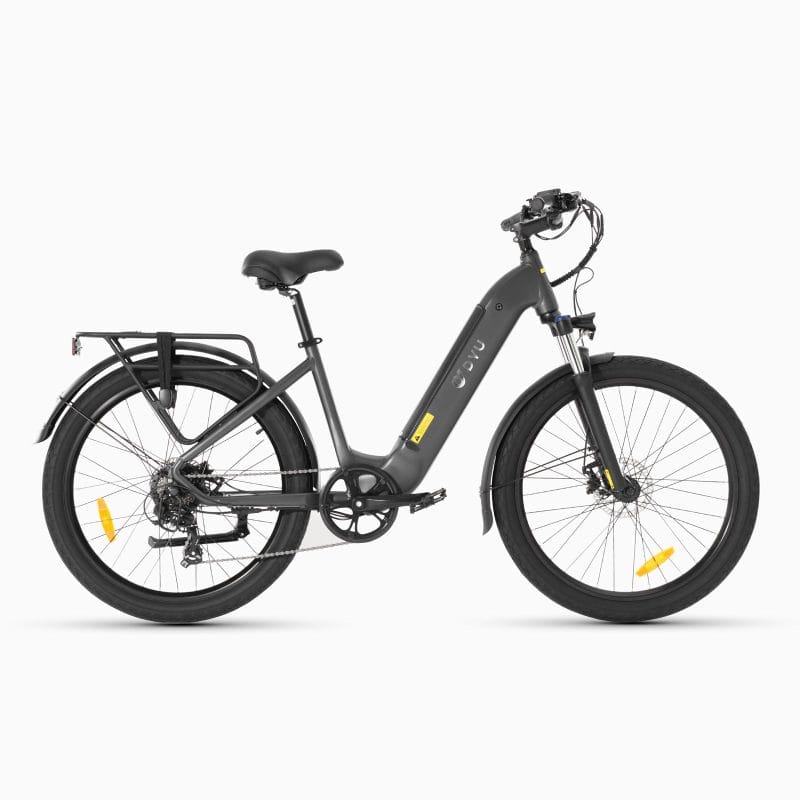
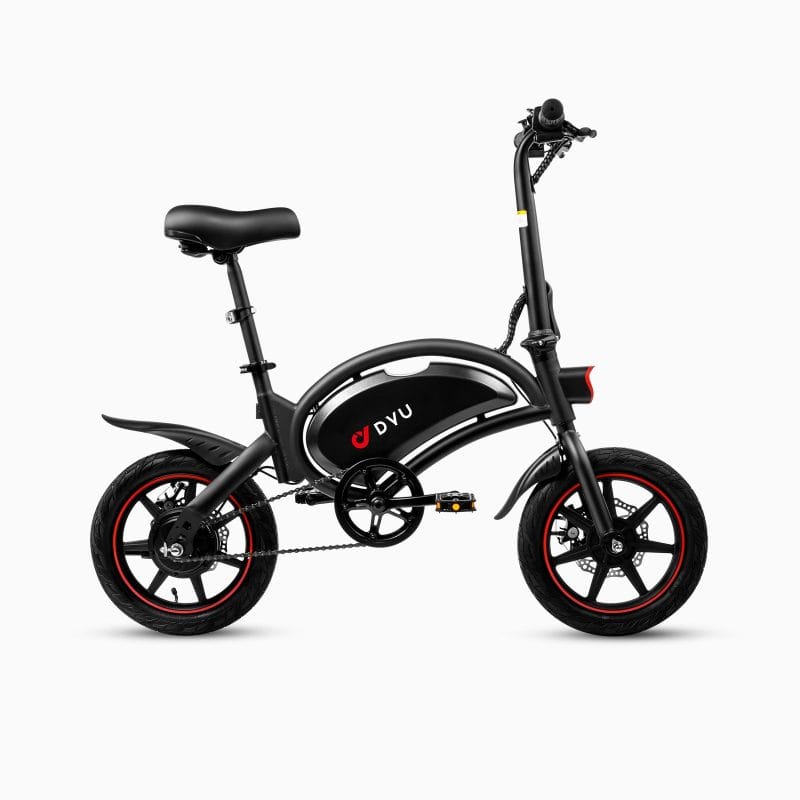
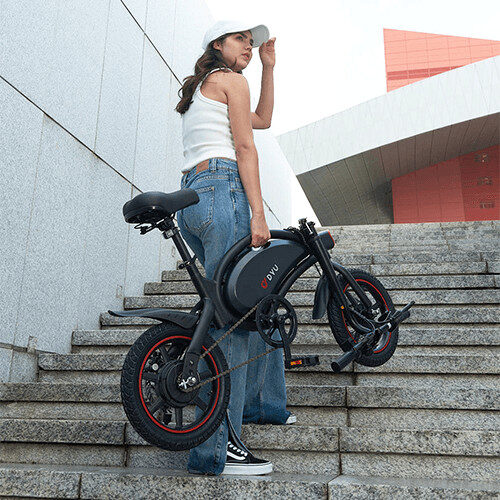
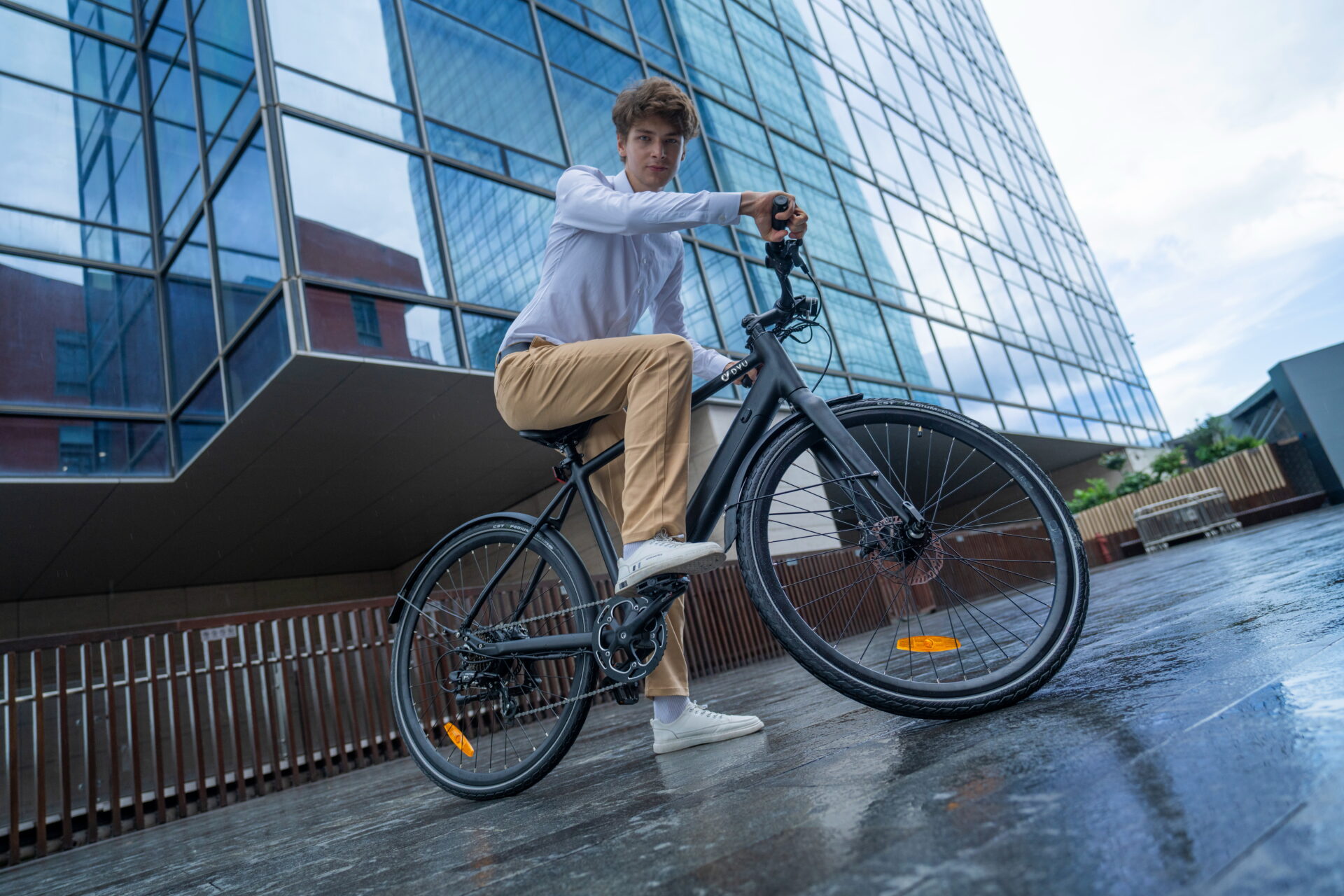
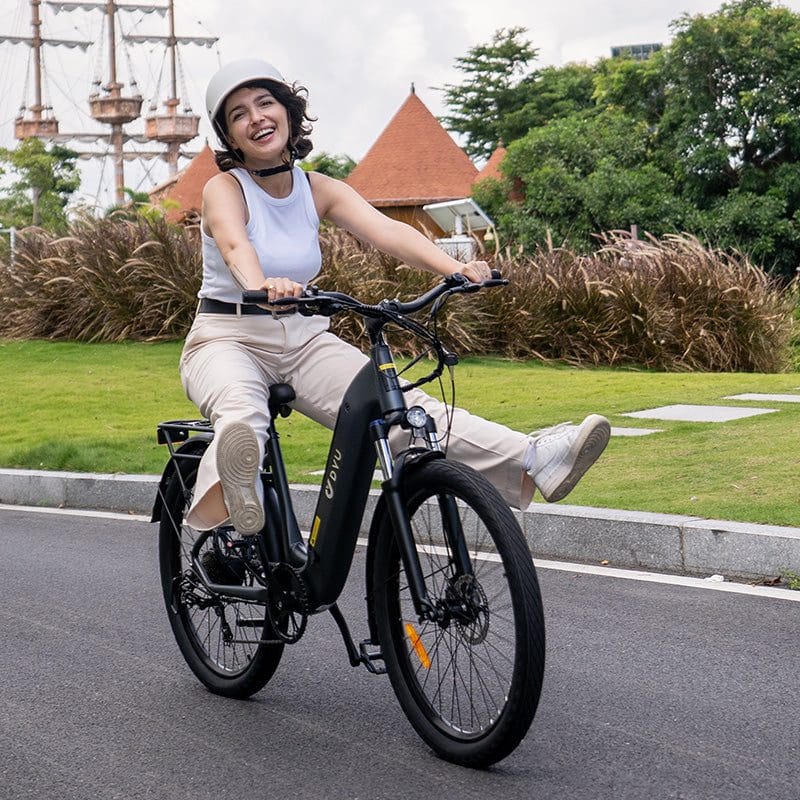
The DYU Stroll 1 shows how balanced water resistance works with its IP54 waterproof rating. This city e-bike weighs just 19.5 kg and handles light rain and splashes well. Its aluminum alloy frame fights off rust effectively. The waterproof display clearly shows speed and battery status. You can lock or remove its anti-theft battery, which adds security and makes it easy to protect during bad weather.
BUY DYU Stroll 1When to Think About Higher IP Ratings (IPX7/IPX8)
Your riding style determines the protection level you need. City commuters usually do fine with IPX4–IPX5 ratings. These ratings handle rain showers and don’t get pricey. Riders who brave all weather should look for IPX5–IPX6 protection. Off-road enthusiasts need IPX6–IPX7 to handle mud and stream crossings safely. IPX7/IPX8 ratings are rare and expensive but work great for extreme conditions like river paths or snowy trails.
Accessories That Improve Water Resistance
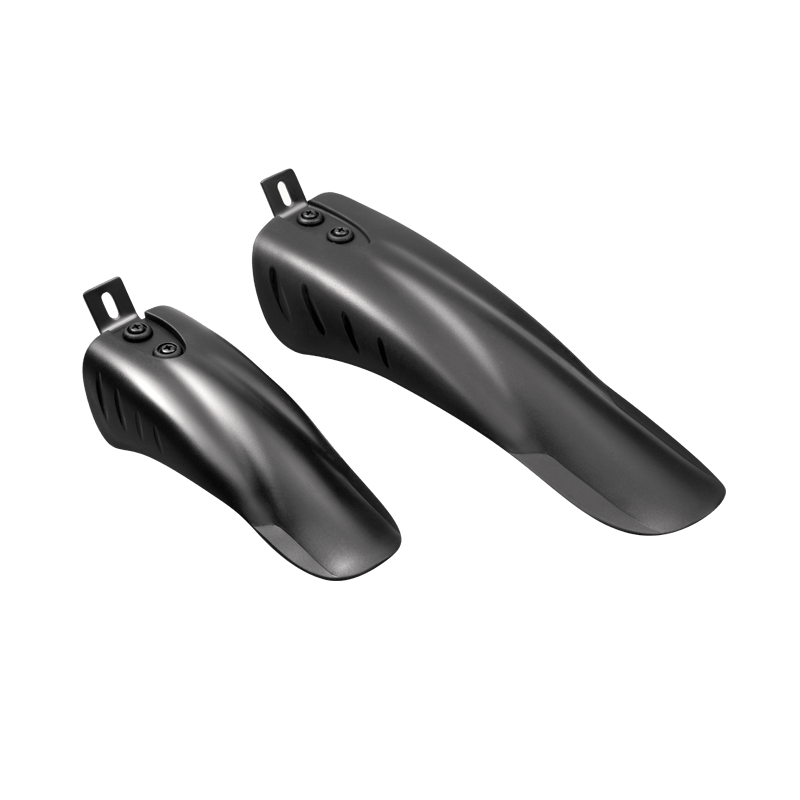
Waterproof saddle covers protect your seat from surprise downpours. Roll-top waterproof panniers or backpacks keep your stuff dry during wet rides. Fenders stop mud and water from splashing on your clothes. A neoprene battery cover adds protection to electrical connections and helps performance in cold weather.
Conclusion
Your e-bike’s IP ratings will determine how confident you feel riding in all types of weather. Most quality e-bikes come with IP54 to IP67 protection, though these ratings can be nowhere near similar between components. The difference between water-resistant and waterproof e-bikes impacts your riding experience and your investment’s lifespan. Premium models can cost anywhere from 1000€ to 5000€.
Your e-bike’s battery needs the best protection possible, ideally IPX7. Motors with IP65 ratings work well enough in typical rain conditions. Displays and controllers are the most vulnerable parts due to their exposed position, so getting extra protection makes sense.
IP54 certification gives daily commuters enough protection against light rain and splashes. If you often ride in tough weather or off-road, look for components rated at least IPX6. Simple add-ons like fenders, battery covers, and waterproof panniers are a great way to improve your e-bike’s weather resistance without spending much.
If you get caught in heavy rain, make sure to dry your e-bike really well. Pay close attention to electrical connections. Check seals and gaskets regularly to stop water damage before it starts.
Your e-bike’s water resistance comes down to balancing manufacturer specs, riding conditions, and how well you maintain it. Now that you know about IP ratings, you can make smart choices about riding times, purchases, and protection methods whatever weather challenges come up.
FAQs
Q1. What do IP ratings mean for e-bikes?
IP ratings indicate the level of protection an e-bike has against dust and water. The first digit (0-6) represents protection against solids, while the second digit (0-8) indicates water resistance. For example, IP54 is a common rating for e-bikes, offering protection against dust and water splashes.
Q2. Can I ride my e-bike in the rain?
Most e-bikes can handle light to moderate rainfall, especially those with IP54 ratings or higher. However, it’s best to avoid heavy downpours or standing water, as excessive moisture can damage electrical components. Always dry your e-bike thoroughly after riding in wet conditions.
Q3. How water-resistant are e-bike batteries?
E-bike batteries often have higher IP ratings than other components, typically ranging from IP65 to IPX7. An IPX7-rated battery can withstand temporary immersion in water up to 1 meter deep for 30 minutes. However, it’s crucial to keep battery connections dry to prevent short circuits or damage.
Q4. What should I do if my e-bike gets submerged in water?
If your e-bike becomes submerged, immediately turn it off and don’t attempt to restart it. Remove the battery if possible, and thoroughly dry all components. Pay special attention to electrical connections and contact points. Allow the bike to dry completely before attempting to use it again, and consider having it inspected by a professional.
Q5. How can I improve my e-bike’s water resistance?
You can enhance your e-bike’s water resistance by using accessories like waterproof saddle covers, fenders, and neoprene battery covers. Additionally, regularly inspect and maintain seals and gaskets, apply marine-grade dielectric grease to electrical connections, and create drip loops in cables to prevent water from reaching sensitive components.

I appreciate the point that even if an e-bike is marketed as “water-resistant,” that doesn’t mean it’s fully waterproof — something many buyers might misunderstand.
Some ratings seemed a bit too confident — I wouldn’t trust them completely.
Does IP rating cover all parts of the e-bike, or just the motor?
IP ratings can apply to specific components rather than the whole bike. The motor, battery, and display might each have different ratings. This means even if the motor is IP65, a less-protected display could still be damaged by water, so you should check each part separately.